Additional information
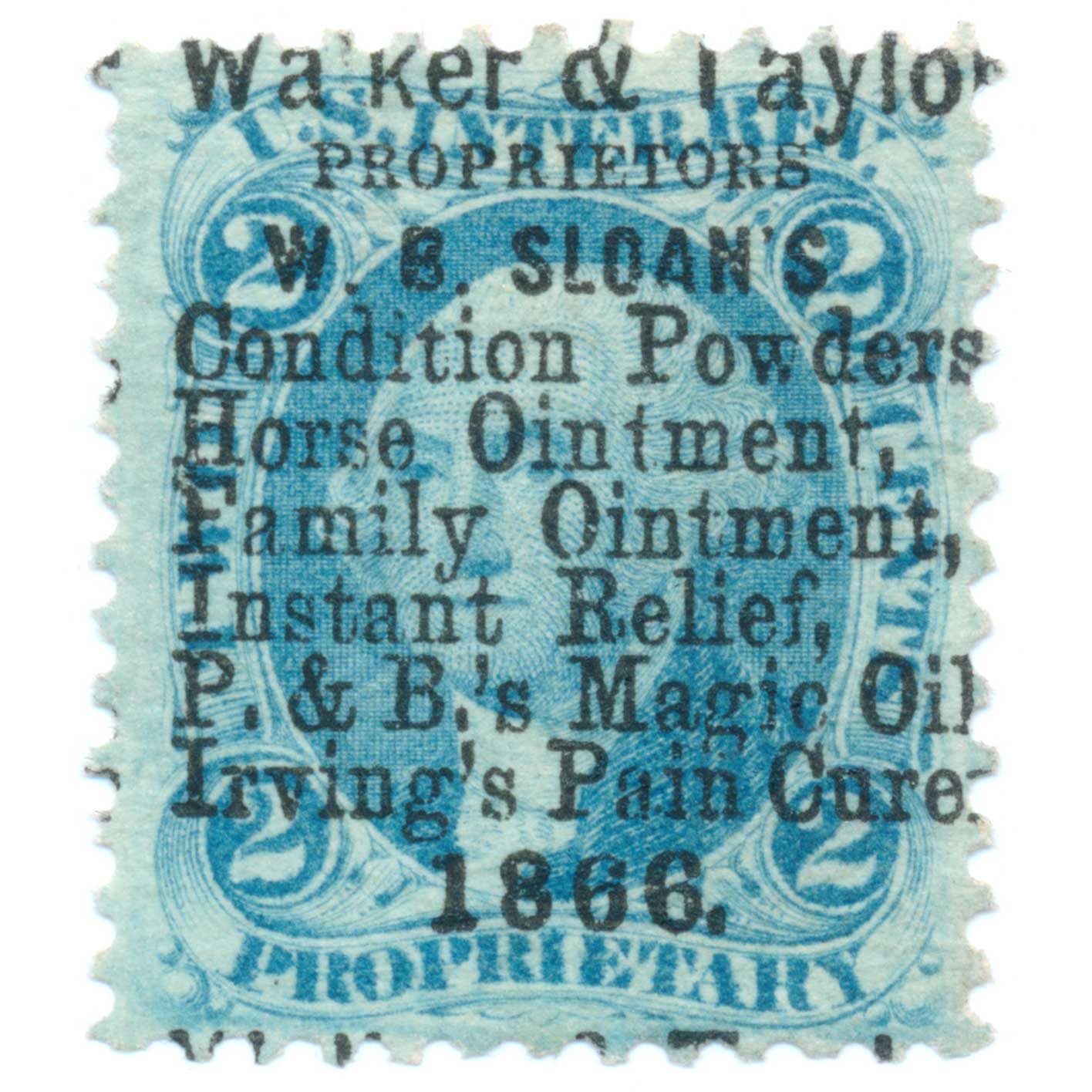
| Scott Number | R13c |
|---|---|
| Condition | VF |
| Denomination | 2c |
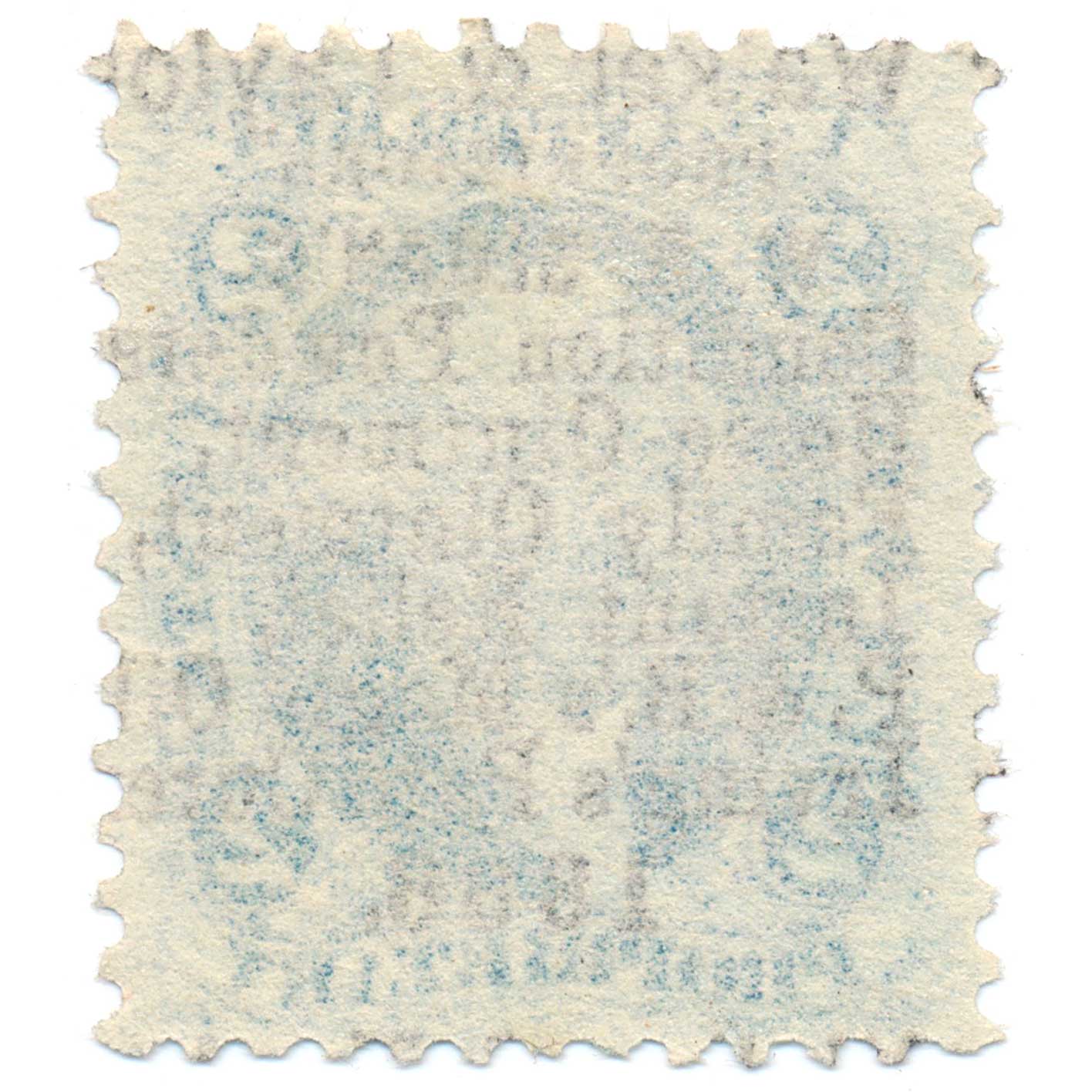
| Paper | thin paper |
| Cancel | Printed |
| 2016 Scott Catalog Value | — |

$125.00
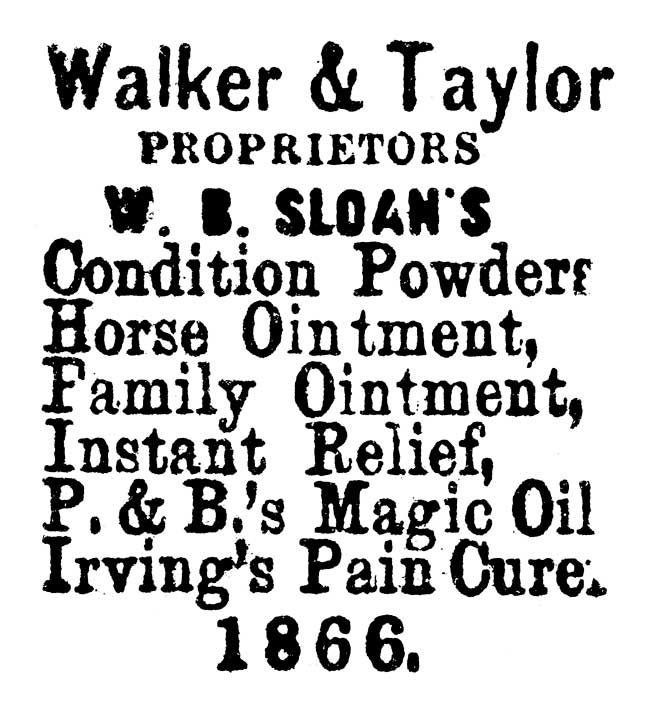
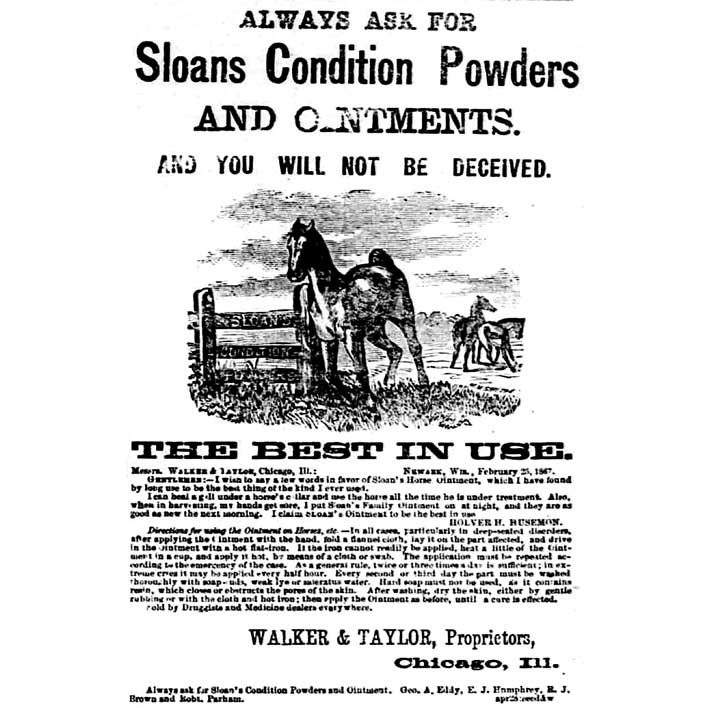
Walker & Taylor was a Chicago-based firm that rose to prominence during the “Golden Age” of American patent medicines in the mid-19th century. Operating during the American Civil War era, the company was responsible for marketing and distributing a variety of popular proprietary remedies, including W. B. Sloan’s Condition Powders, Horse Ointment, and P. & B.’s Magic Oil. Like many medicine makers of the time, they utilized aggressive advertising and large, text-heavy labels to claim cures for a wide range of human and animal ailments. Because of the Civil War taxation act of 1862, their products required federal revenue stamps, often featuring the distinctive 10-line handstamped cancellation of this stamp, which served both as a tax payment and a verification of the company’s proprietary claim. The company’s influence eventually waned as federal drug regulations like the 1906 Food and Drugs Act began to curb the outlandish health claims and secret formulas common to the patent medicine industry.
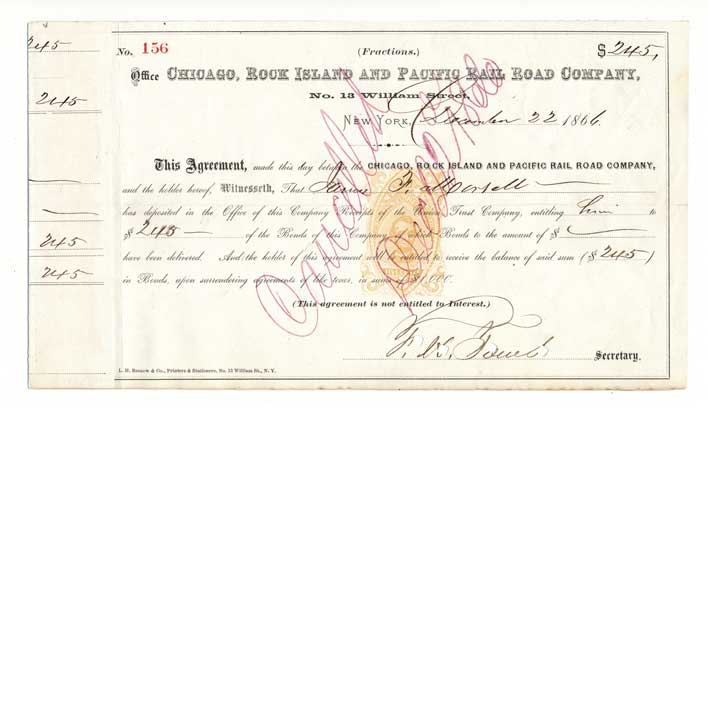
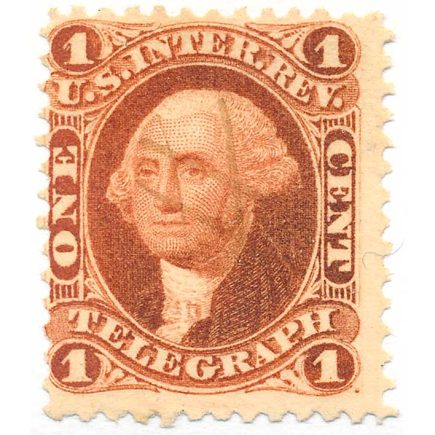
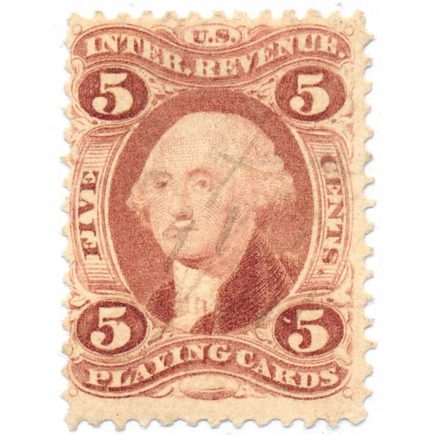
In August 1862, while the American Civil War was being waged, the United States government began taxing a variety of goods, services and legal dealings. To confirm that taxes were paid a ‘revenue stamp’ was purchased and appropriately affixed to the taxable item, which would in turn pay the tax duty involved. The new stamps were printed in several colors and depicted a portrait of George Washington on all thirty denominations from one-cent to $200. The new revenue stamps were used to pay tax on proprietary items such as playing cards, patent medicines and luxuries, and for various legal documents, stocks, transactions and various legal services. The cancellation of these stamps were usually done in pen and ink, while hand stamped cancellations were seldomly used and subsequently are more rare. When the Civil War ended it did not mean an end to revenue taxes as the federal government still had not paid the $2.7 billion debt it had acquired until 1883, at which time it finally repealed the excise tax.
| Scott Number | R13c |
|---|---|
| Condition | VF |
| Denomination | 2c |
| Paper | thin paper |
| Cancel | Printed |
| 2016 Scott Catalog Value | — |